- Szczegóły

Instytut Kultur Śródziemnomorskich i Orientalnych PAN
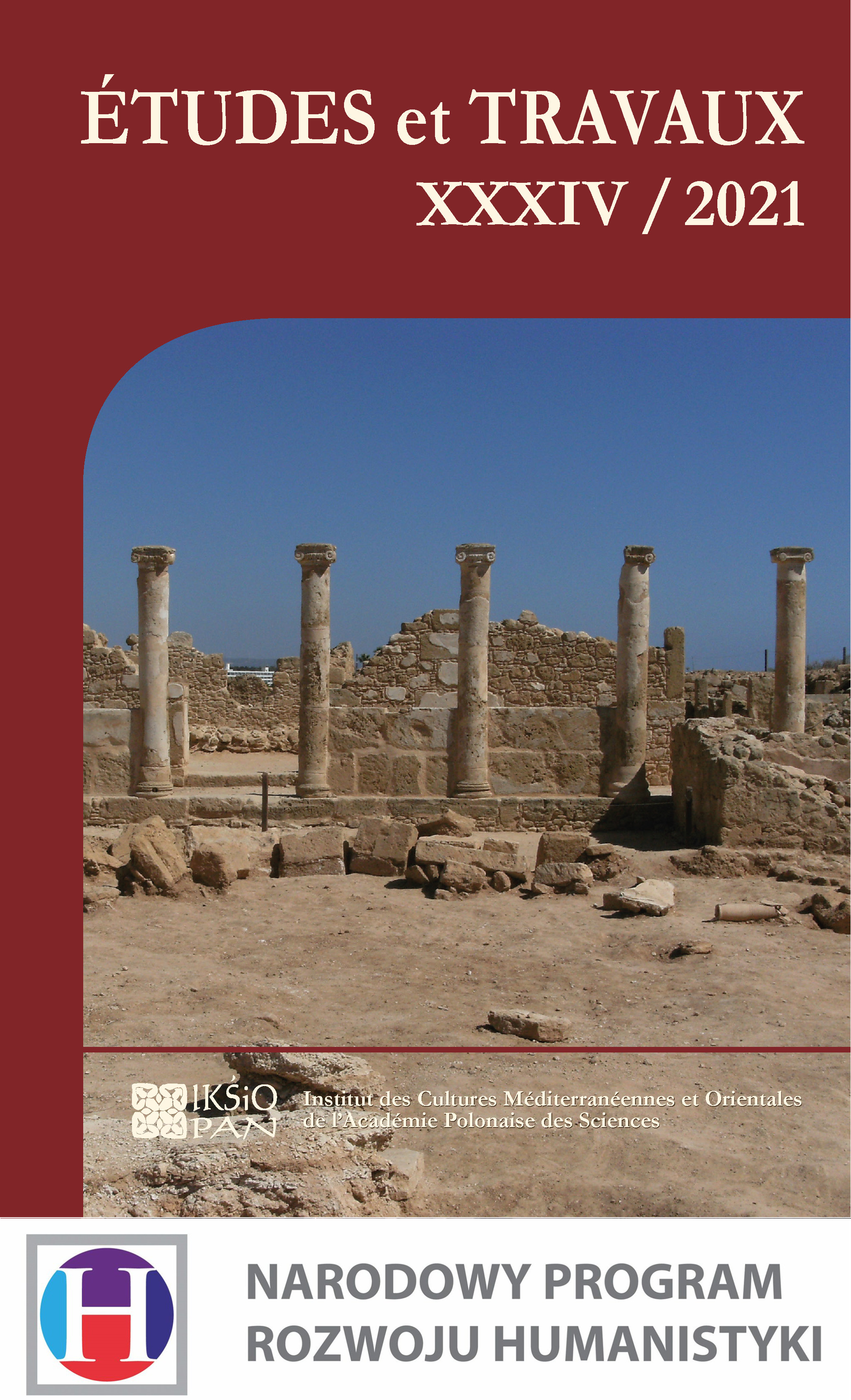
Z ogromną przyjemnością informujemy, że elektroniczna wersja XXXIV tomu naszego czasopisma Études et Travaux jest już dostępna (bez żadnych ograniczeń) na internetowej stronie periodyku:
http://www.etudesettravaux.iksiopan.pl/index.php/pl/numer-biezacy
Jest to tom poświęcony w szczególności Cyprowi w okresie hellenistycznym i rzymskim.
XXXIV tom Études et Travaux został sfinansowany w ramach programu Ministra Nauki i Szkolnictwa Wyższego pod nazwą „Narodowy Program Rozwoju Humanistyki” w latach 2016-2021 (nr projektu 3bH 15 0099 83).
- Szczegóły
Instytut Kultur Śródziemnomorskich i Orientalnych PAN
Fot. B. Lichocka
Z radością informujemy, że dr Henryk Meyza, wieloletni pracownik naszego Instytutu, a wcześniej Zakładu Archeologii Śródziemnomorskiej Polskiej Akademii Nauk (ZAŚ PAN) został odznaczony KRZYŻEM OFICERSKIM ORDERU ODRODZENIA POLSKI za wybitne zasługi w rozwijaniu polsko-cypryjskiej współpracy naukowej w dziedzinie archeologii.
Od 1987 r. dr Henryk Meyza brał udział w pracach wykopaliskowych misji archeologicznej w Nea Pafos (Maloutena) na Cyprze prowadzonych pod egidą Centrum Archeologii Śródziemnomorskiej Uniwersytetu Warszawskiego przez prof. dr hab. Wiktora Andrzeja Daszewskiego, a po jego przejściu na emeryturę w 2008 r., powierzono mu funkcję jej kierownika, którą pełnił do 2019 r. Dr H. Meyza był głównym organizatorem wystawy jubileuszowej Nea Paphos, 50 years of Polish Excavations 1963-2015, w Cyprus Museum w Nikozji (Cypr). Z jego inicjatywy w 2017 r. w IKŚiO powstał Ośrodek Badań nad Antycznym Nea Pafos, którego pracami stale kieruje. Jest redaktorem naczelnym serii wydawniczej Nea Paphos. W latach 2015-2019 dr H. Meyza pełnił funkcję wicedyrektora Instytutu. Panu Doktorowi składamy serdeczne gratulacje!
Gratulujemy również Badaczom i Kolegom z innych ośrodków w Polsce i na Cyprze, którzy w uznaniu zasług dla współpracy polsko-cypryjskiej w dziedzinie archeologii zostali odznaczeni!:
KRZYŻEM KOMANDORSKIM ORDERU ODRODZENIA POLSKI - prof. dr hab. Ewdoksia Papuci-Władyka, Instytut Archeologii Uniwersytetu Jagiellońskiego, obecnie kierownik połączonych misji Centrum Archeologii Śródziemnomorskiej Uniwersytetu Warszawskiego, Nea Paphos (Maloutena) i Uniwersytetu Jagiellońskiego, Paphos Agora Project;
KRZYŻEM OFICERSKIM ORDERU ODRODZENIA - prof. dr hab. Jolanta Młynarczyk, w latach 1975-2013 pracownik IKŚiO PAN (wcześniej ZAŚ PAN), profesor emerytowany Uniwersytetu Warszawskiego, prowadzi badania na Cyprze, na stanowisku Fabrika, we współpracy z misją francuską Université d’Avignon (MafaP);
ZŁOTYM KRZYŻEM ZASŁUGI - dr Łukasz Miszk, Instytut Archeologii Uniwersytetu Jagiellońskiego;
KRZYŻEM KAWALERSKIM ORDERU ZASŁUGI RZECZYPOSPOLITEJ POLSKIEJ – dr Marina Solomidou-Ieronymidou i dr Eustathios Raptou, Cyprus Department of Antiquities, Nikozja.
- Szczegóły
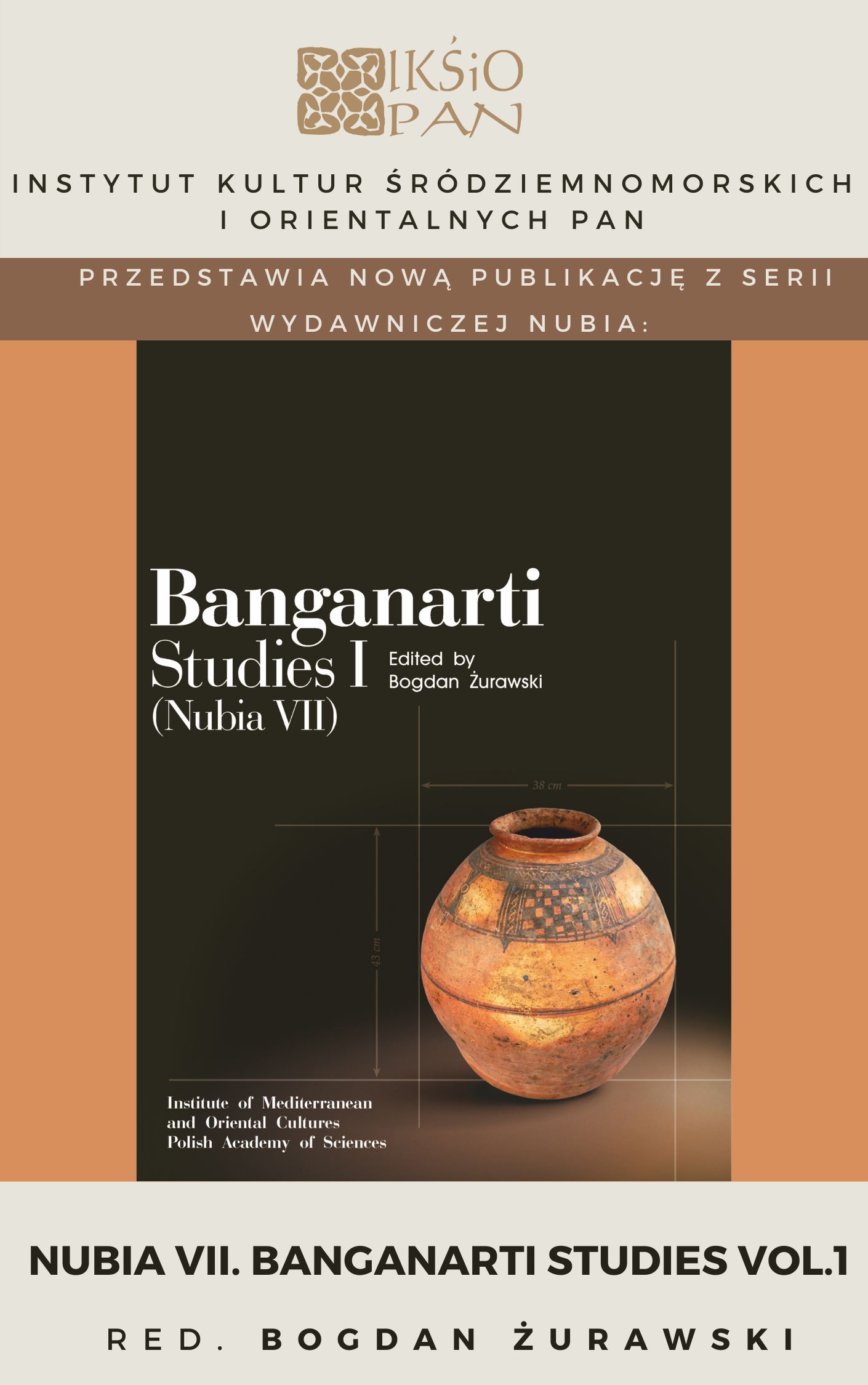
Prezentowana publikacja została wydana dzięki grantowi Narodowego Centrum Nauki: Archangels and Locusts: Daily Life in Banganarti, a Pilgrimage Centre on the Middle Nile, 6th through 16th Centuries (grant nr: 2016/21/B/HS3/03724), oraz wsparciu Qatar Sudan Archaeological Project.
- Szczegóły
Instytut Kultur Śródziemnomorskich i Orientalnych PAN
ogłasza konkurs na stypendium naukowe dla doktoranta
Ogłoszenie o konkursie na stypendium naukowe dla doktoranta w Zakładzie Starożytnych Kultur Egiptu i Bliskiego Wschodu:
INSTYTUCJA: Polska Akademia Nauk, Instytut Kultur Śródziemnomorskich i Orientalnych (dalej IKŚiO)
MIASTO: Warszawa
STANOWISKO: stypendysta/doktorant w ramach projektu grantowego Opus LAP – HS No 2020/39/I/HS3/03993; kierownik projektu: dr Zuzanna Wygnańska
DYSCYPLINA NAUKOWA: archeologia
DATA OGŁOSZENIA: 14 lutego 2022 r.
TERMIN SKŁADANIA OFERT: 14 marca 2022 r.
CZAS TRWANIA STYPENDIUM: 44 miesiące
TERMIN ROZMOWY KWALIFIKACYJNEJ: 16 marca 2022 r. od godz. 11:00 czasu warszawskiego, rozmowa będzie przeprowadzona przy użyciu komunikatora MS Teams
LINK DO STRONY: www.iksiopan.pl
SŁOWA KLUCZOWE: ceramika, kultura megalityczna, północy Liban, 4-3 tysiąclecie p.n.e.
- Szczegóły
Abstrakt:
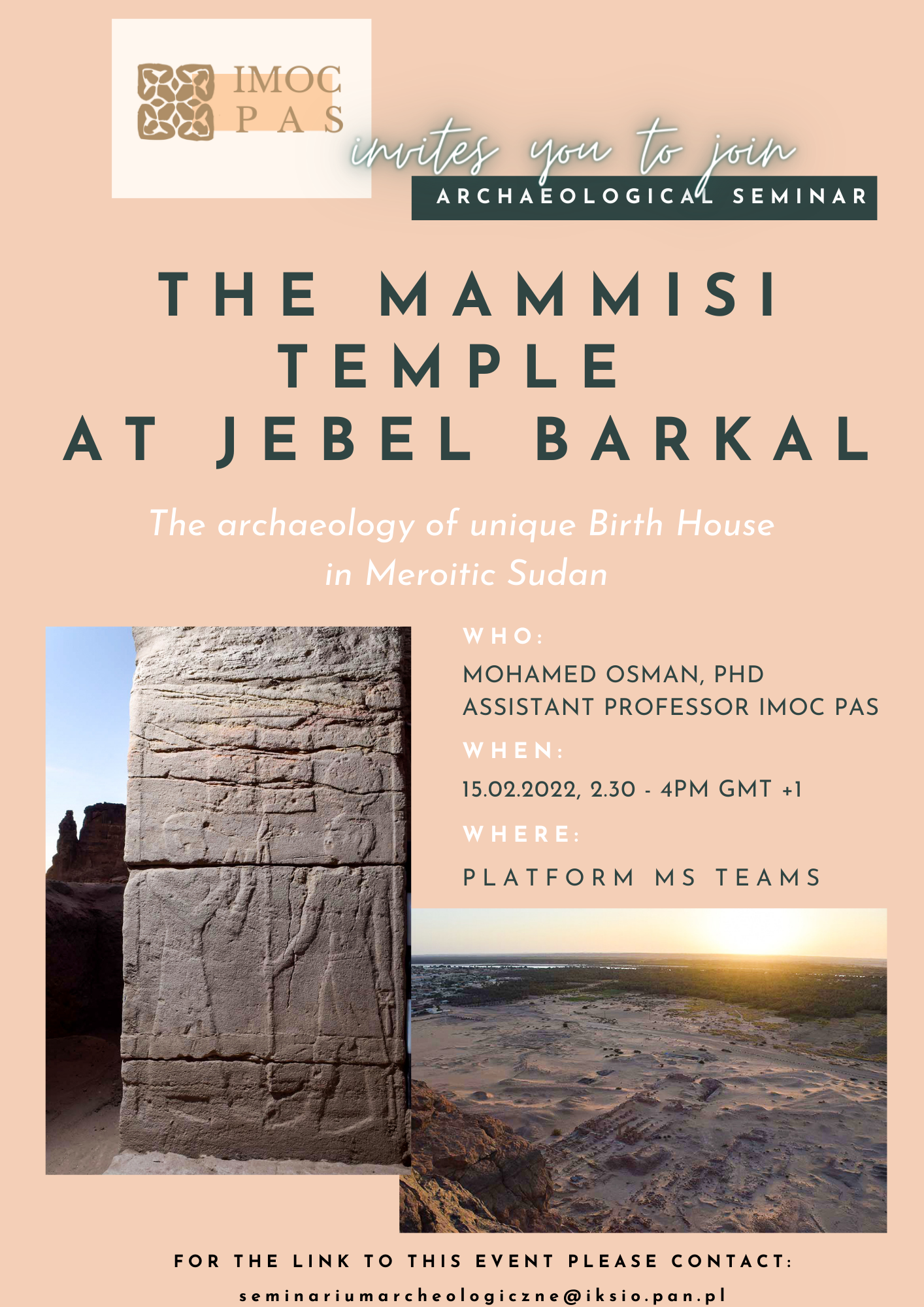
Dr Mohamed Osman is a co-director of the Sudanese Archaeological Mission at Jebel Barkal and an assistant at IMOC PAS.
During the talk, some of the recent discoveries of the Sudanese Archaeological Mission of the National Corporation for Antiquities and Museums at Jebel Barkal will be presented. Jebel Barkal is one of the most important archaeological sites in Sudan. Since the 1920s, the archaeological work done there unearthed many temple complexes, which date back to the middle of the 18th dynasty and continue through the Kushite and Meroitic periods. The site of Jebel Barkal, the southernmost residence of the god Amun, was an important cult centre for the Egyptians throughout the time of their domination over Kush. The ancient Kushites were significantly influenced by Egyptian religious beliefs and integrated them into their religion, for instance, a concept of divine kingship. In Egypt, the structures called "Birth Houses" or Mammisi were strictly associated with this concept and were either a part of the temple or were separate buildings that belonged to the temple complex. The walls of these relatively small structures were usually decorated with scenes of the divine birth of the king and the associated mythology which was deeply connected to the cult of Isis and Horus. Examples of such Mammisi scenes can be found in Deir el-Bahari, Edfu, Philea, and Dendereh.
In 2014, a Meroitic period Kiosk was discovered at the northern side of the main axis of the Amun Temple at Jebel Barkal. This sandstone structure dating back to the 2nd century AD was expected to be connected with a bigger structure. Indeed, during the 2014-2015 season, the team of the Sudanese Archaeological Mission at Jebel Barkal uncovered a significant structure in the temple area, directly behind the Kiosk. The archaeological work was concentrated at what was identified later as the Mammisi temple of Jebel Barkal.
- Szczegóły
Instytut Kultur Śródziemnomorskich i Orientalnych PAN
serdecznie zaprasza na:
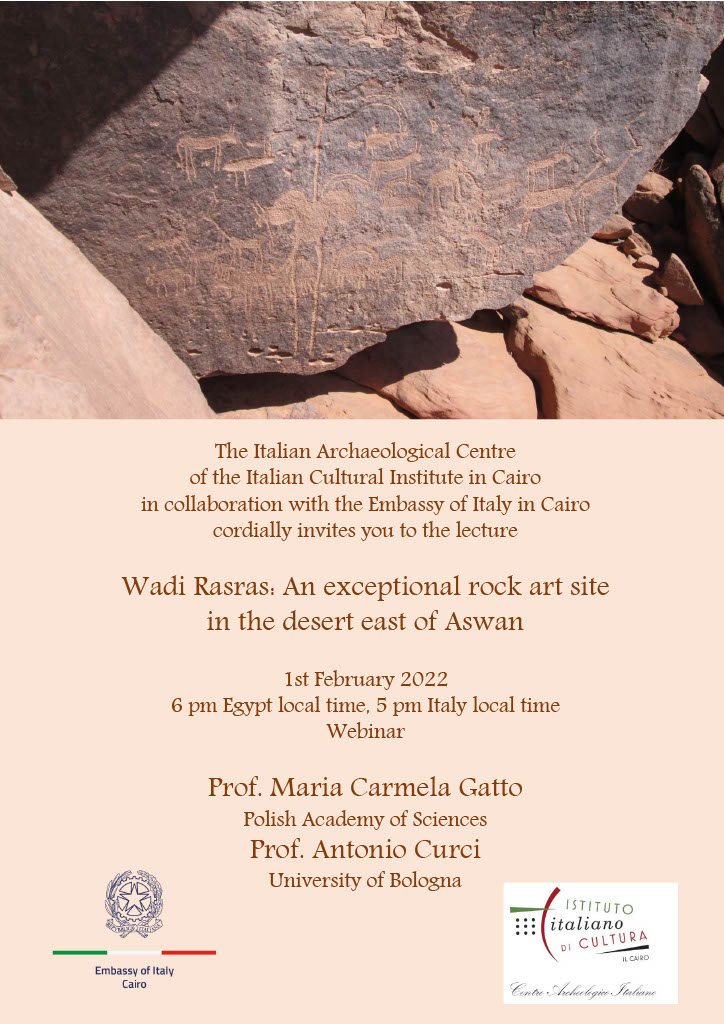
Wykład odbędzie się na platformie Microsoft Teams.
- Szczegóły
Zespół Ośrodka Badań nad Świątynią Egipską uzyskał finansowanie Ministerstwa Edukacji i Nauki z programu „Społeczna odpowiedzialność nauki” na lata 2022-2023 na projekt „Internetowa baza egipskich rytuałów świątynnych rite.iksiopan.pl – kontynuacja”. W ramach projektu planowane jest udostępnienie 500 haseł dotyczących rytuałów ofiarnych przedstawionych w świątyniach egipskich.
- Szczegóły
Abstrakt:
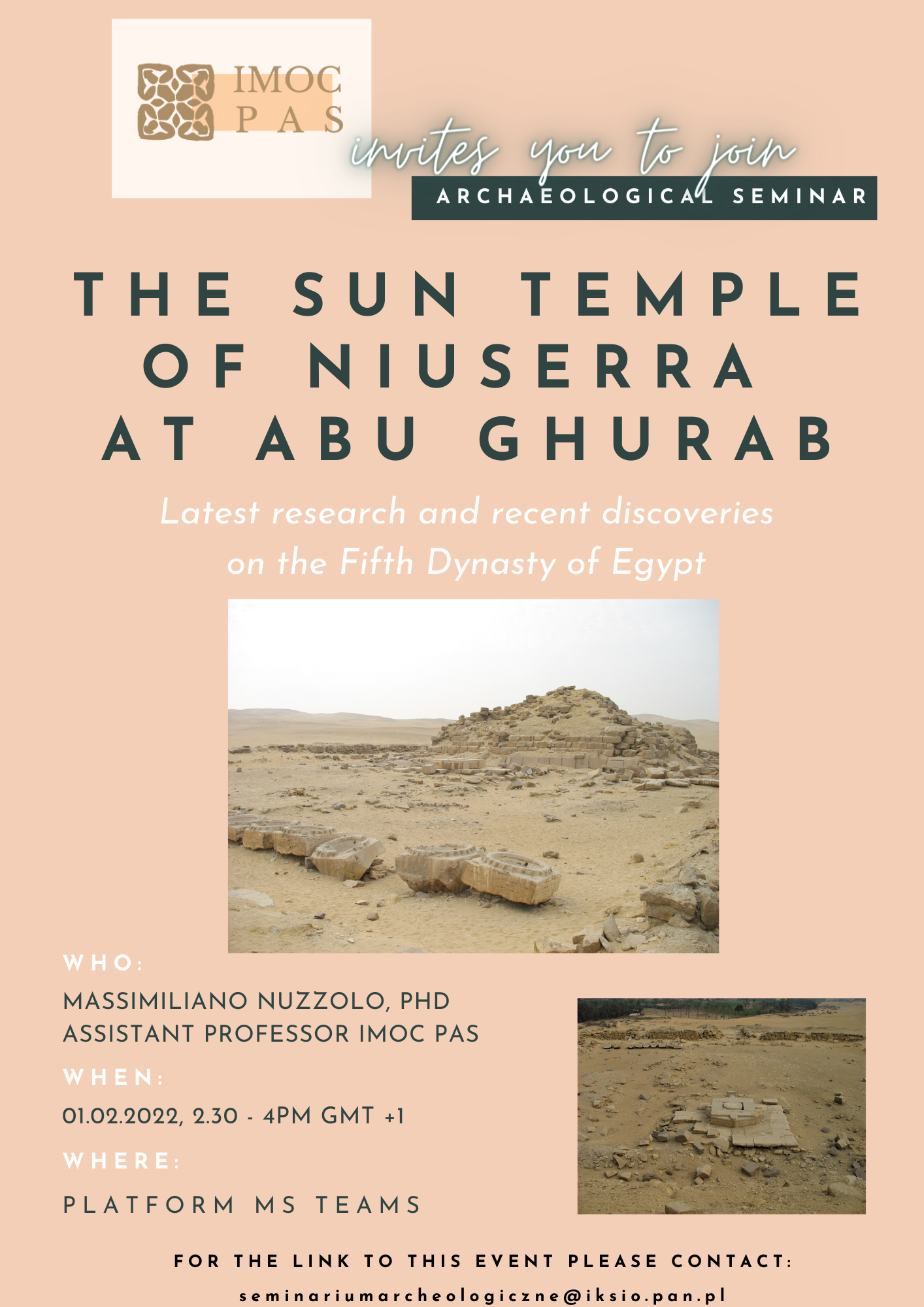
The Sun Temples represent the unparalleled category of royal monuments in ancient Egypt, which played a pivotal role in both the religious and economic life of the Fifth Dynasty of Egypt. Despite their importance, many aspects of the temples’ history and architecture remain largely unexplored, including their role in the royal ideology of the time and their position in the construction of the sacred landscape of the Old Kingdom Memphite necropolis. Since 2010 an Italian, now Italian-Polish, Archaeological Mission from the University of Naples L’Orientale and the Institute of Mediterranean and Oriental Cultures, Polish Academy of Sciences, has been conducting new investigations at the sun temple of Niuserra at Abu Ghurab, the main sun temple discovered so far out of the six sanctuaries known from the historical sources. In his lecture, Dr Massimiliano Nuzzolo will present an overview of the main religious, architectural and ideological coordinates of these monuments, based on the results of the last ten years of the fieldwork. A particular focus will be given to the 2021 campaign. This has provided unexpected and revealing hints for the history of the site and has also opened a new phase of investigation of the temple.
Badania są częścią projektu: “Sun Temples Project. Religious spaces, ideological patterns and social dynamics of constructing the sacred landscape in Third Millennium BC Egypt” finansowanego z grantu Narodowego Centrum Nauki (Sonata Bis-9 Call – projekt nr. 2019/34/E/HS3/00438).
- Szczegóły
Instytut Kultur Śródziemnomorskich i Orientalnych PAN
serdecznie zaprasza na: